Best Mini PCs (2026): Tiny Desktops That Don’t Throttle, Whine, or Waste Your Time
Mini PCs are either quiet little workhorses… or hot, loud compromise boxes. These 2026 picks focus on the stuff spec sheets hide: sustained performance, ports, thermals, and upgrade paths.
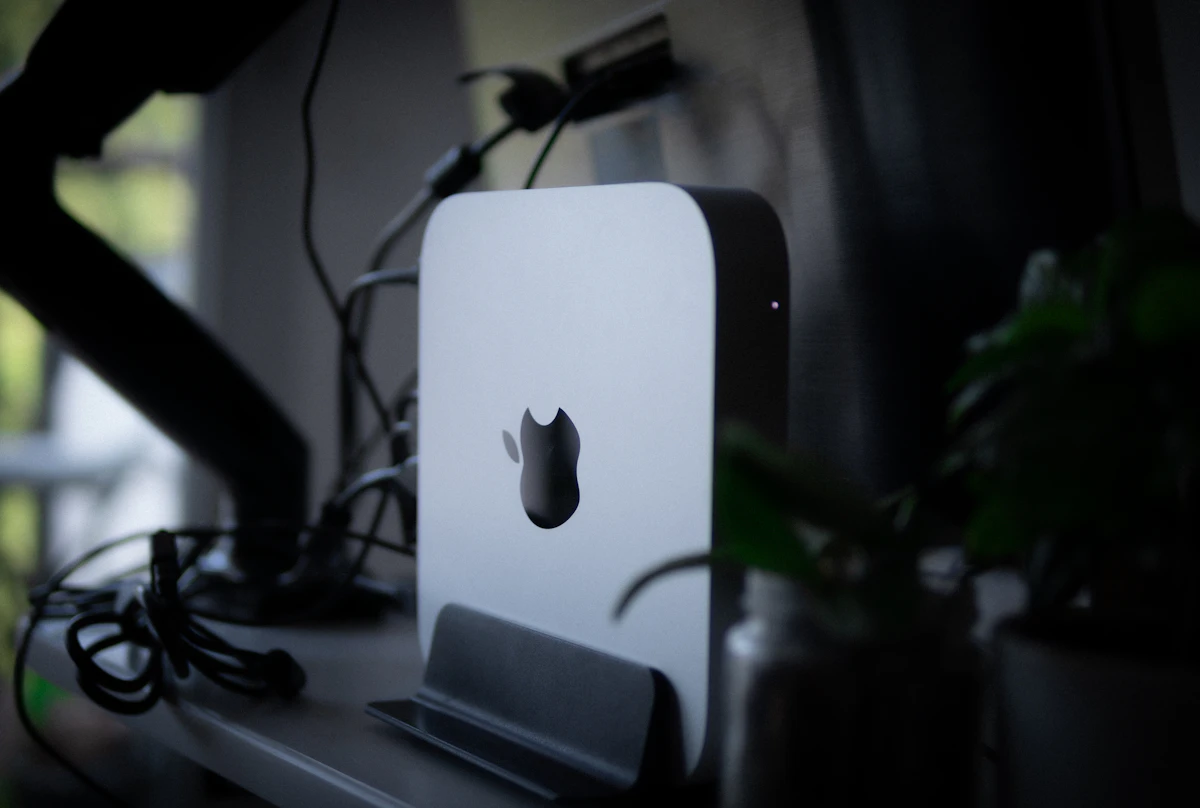
Mini PCs used to be “good enough for email.”
In 2026, they’re good enough for:
- a quiet home office desktop
- a living-room PC that doesn’t look like a router
- a light homelab box for Docker, Home Assistant, and Plex
- a surprisingly capable little creator/editing machine (within reason)
But the category is also full of traps: thermals that collapse after 5 minutes, proprietary power bricks, Wi‑Fi cards that flake out, and “USB4-ish” ports that don’t behave like the logo suggests.
This guide is how to buy a mini PC that stays fast after the honeymoon.
SolderMag Take: mini PCs aren’t about peak speed—they’re about staying sane
A desktop you hate is usually one of three things: loud, flaky, or annoyingly limited.
A great mini PC feels invisible:
- it doesn’t throttle under everyday load
- it doesn’t do fan rev-ups during Zoom calls
- it has the ports you actually use, on the side you can reach
- it’s easy to expand (RAM/SSD) without a YouTube teardown
If a mini PC wins a benchmark but loses in noise/thermals/IO, it’s not “powerful”—it’s a nuisance.
The picks (2026)
I’m keeping these as categories for now because affiliate links go in later and model availability changes constantly.
Best overall for most people
Ryzen-based mini PC (8-core class) with dual M.2 + USB4
Why it wins:
- strong everyday performance without living at 95°C
- better iGPU than most Intel options at similar price
- typically solid power efficiency
Look for:
- 16–32GB RAM (dual-channel)
- 1TB NVMe minimum (or at least an empty second slot)
- USB4 (real) or at least a full-featured USB‑C port with DP Alt Mode
 Best overall
GEEKOM A9 Max Mini PC
Best “I just need a reliable office box”
Intel mini PC (6–8 performance cores class) with lots of USB‑A + dual displays
Why:
- driver ecosystem tends to be boring (a compliment)
- great for Office/Chrome/Slack, light dev work, and multi-monitor
Look for:
- two display outputs that match your monitors (HDMI/DP/USB‑C)
- Wi‑Fi 6E/7 + 2.5GbE if you’re near a switch
 Best for gaming
Asus ROG NUC 970
Best for a homelab / always-on duties
Mini PC with 2.5GbE (ideally dual), easy SSD access, and a sane power brick
Why:
- network + storage access matter more than peak CPU
- serviceability matters when it runs 24/7
Look for:
- 2.5GbE (at least one port)
- space for 2× NVMe, or NVMe + 2.5" SATA (depending on chassis)
- BIOS options that don’t fight you (wake-on-LAN, power restore)
 Best for business
Lenovo ThinkCentre Neo Ultra
Best “quiet living room” pick
Low-noise mini PC with modern media features
Look for:
- HDMI that supports your TV’s resolution/refresh properly
- good Wi‑Fi + stable Bluetooth (remote/gamepad)
- a chassis that doesn’t turn into a hand-warmer
 Best value
GMKtec NucBox K12
What actually matters (and what’s mostly marketing)
1) Sustained performance (not the first 30 seconds)
Mini PCs live and die by cooling.
Two machines with the same CPU can feel totally different depending on:
- heatsink size and airflow path
- fan curve tuning
- power limits (PL1/PL2 equivalents)
If you can find reviews with 10–20 minute sustained runs (not just one quick benchmark), trust those.
2) Ports, placement, and “real USB‑C”
The most common buyer regret is IO.
Prefer mini PCs that clearly state:
- which USB‑C ports support DisplayPort Alt Mode
- whether USB4/Thunderbolt features are present (and at what speed)
- whether the front USB‑C is data-only (common)
If you want a one-cable desk setup with a dock, don’t gamble here.
3) Upgrades: RAM and storage access
Treat soldered RAM as a hard “no” unless the discount is outrageous.
Minimum sane spec for 2026:
- 16GB RAM (32GB if you do dev work, lots of tabs, VMs, or creative apps)
- 1TB NVMe if this is your main computer
Bonus points for:
- tool-less bottom plate
- two M.2 slots
- standard DDR5 SODIMMs (not weird proprietary modules)
4) Networking: Wi‑Fi is nice, Ethernet is peace
If you’re doing anything server-ish:
- 2.5GbE is the sweet spot
- dual 2.5GbE is genuinely useful (router/firewall, segmented networks)
For office use, stable Wi‑Fi matters more than headline speed.
5) Noise (the spec sheet won’t tell you)
A “powerful” mini PC that ramps its fan during a browser tab is not powerful—it’s badly tuned.
What to look for in reviews:
- idle noise
- load noise
- whether the fan oscillates (rev up / rev down)
Quick decision checklist (print this in your brain)
Before you buy, confirm:
- RAM: at least 16GB, upgradeable
- Storage: NVMe, and ideally a second slot
- Ports: the exact display outputs you need + enough USB for your desk
- USB‑C honesty: DP Alt Mode if you need it; USB4/TB features if you plan to dock
- Network: 2.5GbE if you care about file transfers or always-on roles
- Thermals: evidence of sustained performance (not just burst benchmarks)
- Support: real warranty + firmware/BIOS updates that exist in the real world
Red flags (don’t ignore these)
- “USB‑C” with no mention of video output (often data-only)
- Single-channel RAM configs (one stick) that kneecap iGPU performance
- No-name NVMe bundled with suspiciously high advertised speeds
- Tiny venting + high-TDP CPU marketing (throttle city)
- Proprietary power bricks you can’t replace easily
- No BIOS options for power restore / wake-on-LAN (for homelab use)
- Vague port specs (“Type‑C”) with no bandwidth/features listed
Sources (what we trust for this category)
- CPU platform docs: Intel and AMD product briefs/spec pages
- USB4 / Thunderbolt feature documentation and certification notes
- Reviewers who measure sustained performance, noise, and power draw, not just burst benchmarks
- Long-run reliability signals: firmware update cadence, warranty terms, and community reports
If you tell me your use case (office, dev, Plex, light gaming, silent living room), I can narrow this into a short shortlist that matches your actual constraints: noise, ports, and budget.