Best True Wireless Earbuds (2026): The Picks That Still Sound Good After a Week
Great earbuds aren’t just about ‘big bass’—they’re about fit, stability, call quality, and not getting trapped in a codec ecosystem. Here’s how to buy smart in 2026.
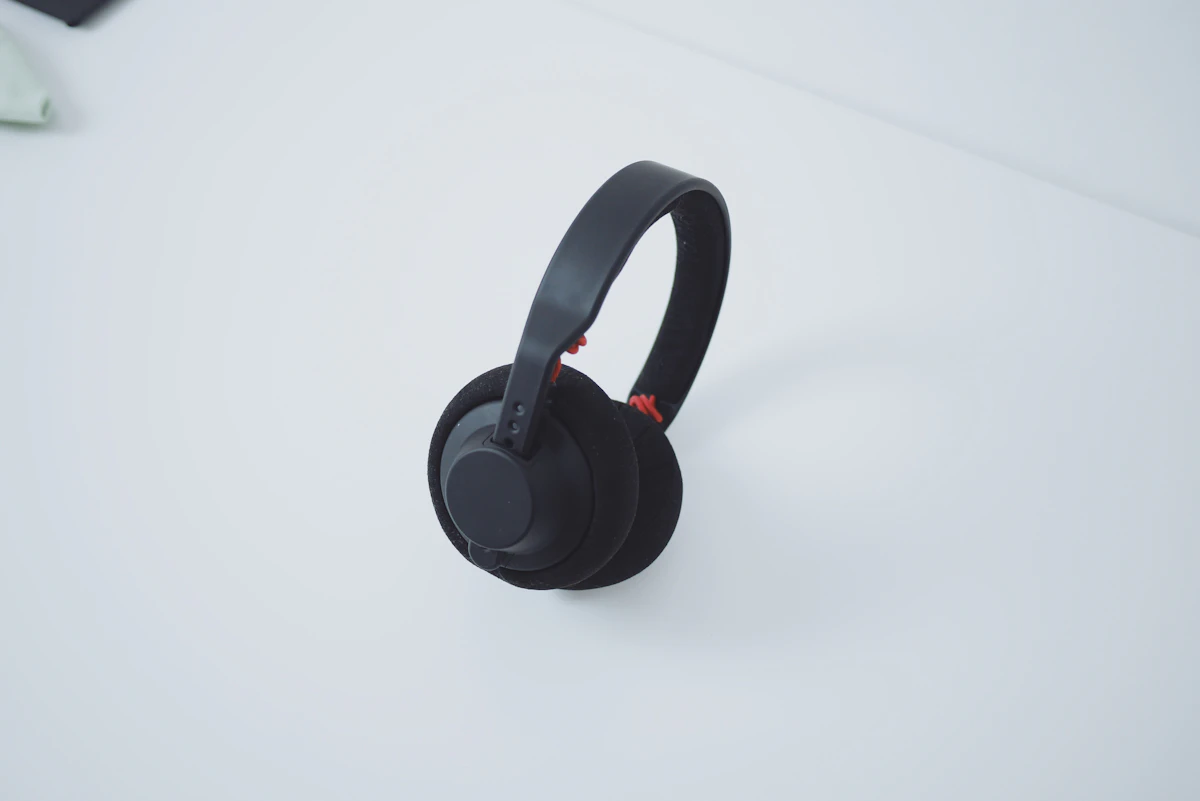
True wireless earbuds (TWS) are the most emotionally expensive tech purchase.
You don’t just buy them—you live in them: commuting, walking, “one more call,” grocery runs, airplanes, and that one day you forget to charge them and suddenly nothing works.
So this guide is less “here are 10 products” and more: how to pick earbuds that fit your actual life, plus a few safe picks by use-case.
SolderMag Take: fit beats frequency response (most of the time)
If the seal is bad, the sound is bad. Full stop.
ANC can’t fix a leaky fit. An EQ can’t fix a leaky fit. And “audiophile” drivers don’t matter if the earbud slowly works loose and turns every song into thin, hissy treble.
In 2026, the smartest buy is usually:
- a model with multiple tip sizes (and optional foam tips)
- a reliable transparency mode (so you’ll actually keep them in)
- stable Bluetooth + multipoint (so you don’t want to throw them at a wall)
Quick picks (2026)
I’m intentionally not doing a fake-precision ranking. Pick by your priority.
Best overall (most people)
A flagship-class TWS with strong ANC + solid app EQ
What “best overall” really means:
- good seal for most ears
- ANC that doesn’t pump or hiss
- passable call quality in real wind
- usable controls (volume on the earbuds, ideally)
Where affiliate links will go later:
- Amazon: [Best overall pick — affiliate link placeholder]
 Best overall
Technics EAH-AZ100
Best for iPhone users (least friction)
Apple-first earbuds with tight OS integration
Why it wins:
- pairing is painless
- device switching is less annoying
- “Find My”-style locating is genuinely useful
Where affiliate links will go later:
- Amazon: [Best for iPhone — affiliate link placeholder]
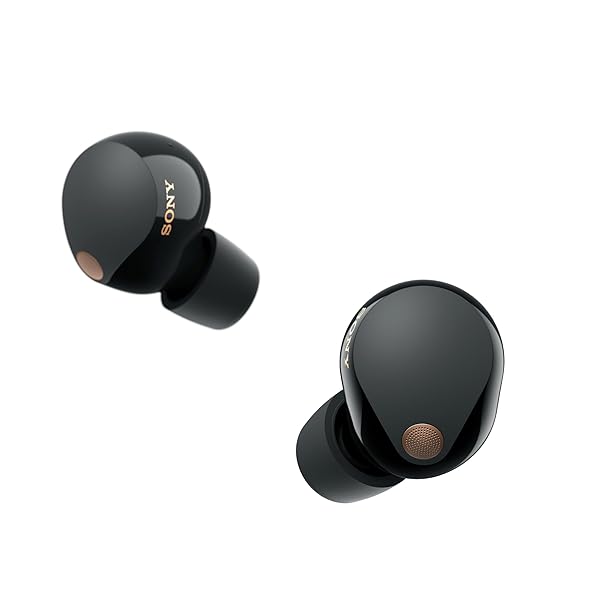 Best for Android
Sony WF-1000XM5
Best for Android users (best codecs + customization)
Android-friendly earbuds with multipoint + high-quality codec support
Where affiliate links will go later:
- Amazon: [Best for Android — affiliate link placeholder]
 Best noise canceling
Bose QuietComfort Ultra Earbuds
Best for calls (WFH + commuting)
Earbuds optimized for voice (mics + wind reduction + sidetone)
Where affiliate links will go later:
- Amazon: [Best for calls — affiliate link placeholder]
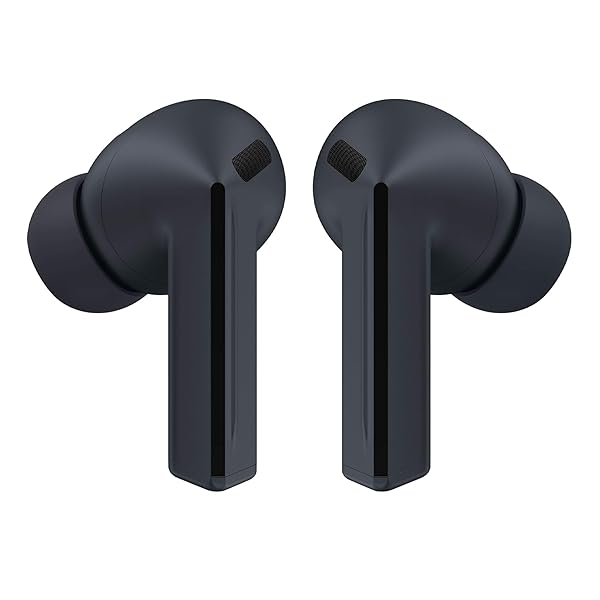 Best sound quality
Sennheiser MOMENTUM True Wireless 4
Best for workouts
Secure-fit earbuds with water resistance and physical stability
Where affiliate links will go later:
- Amazon: [Best for workouts — affiliate link placeholder]
Best “I hate charging” pick
Earbuds with strong real-world battery + a case that actually holds multiple recharges
Where affiliate links will go later:
- Amazon: [Best battery — affiliate link placeholder]
What matters (and what’s mostly marketing)
1) Fit + seal
This is the whole game.
Look for:
- 3+ tip sizes included (more is better)
- oval tips or wide compatibility with third-party tips
- a nozzle shape that doesn’t create pressure points
If you’ve had earbuds fall out before, prioritize:
- stabilizing fins/wings, or
- a slightly larger housing that “locks” into the ear
2) ANC + transparency (the “daily usability” features)
Good ANC isn’t just “quiet.” It’s quiet without weird side effects:
- minimal ear pressure
- low hiss
- doesn’t freak out when you chew, walk, or hit wind
Transparency mode matters because it changes behavior:
- good transparency = you keep earbuds in for quick chats
- bad transparency = you pop one out constantly and lose it
3) Microphones and wind behavior
Call quality is the first thing that gets ugly outside.
Prefer earbuds that explicitly mention:
- wind-noise reduction
- beamforming mics
- voice enhancement modes
SolderMag reality check: if you do lots of calls in busy streets, small stem-style designs often do better because they can place mics closer to your mouth.
4) Bluetooth stability and multipoint
Specs don’t show this well. Reviews do.
What to look for:
- multipoint (two devices at once)
- stable behavior on crowded 2.4GHz (train stations, airports)
If you bounce between laptop + phone all day, multipoint is worth paying for.
5) Codecs (important, but don’t get trapped)
Codec talk gets religious. Keep it practical:
- the best codec is the one your phone and earbuds both support
- codec benefits are real, but they’re usually smaller than: fit, tuning, ANC, and comfort
Useful rule:
- iPhone users: assume AAC (fine)
- Android users: check for LDAC/aptX options if you care, but don’t sacrifice stability
6) Controls you’ll actually use
If volume isn’t accessible from the earbuds (or requires a 4-step gesture), you’ll hate them.
Prefer:
- separate gestures for volume
- a reliable “press and hold” that doesn’t misfire
7) Battery (real-world, not box-world)
Watch for the classic lie:
- “8 hours” with ANC off at low volume
- “5 hours” in your actual life (ANC on, normal volume)
Also consider:
- how fast they quick-charge
- whether the case charges via USB‑C (and wireless, if you care)
Decision checklist (buying in 90 seconds)
Use this before you buy anything:
- [ ] Do they stay in during a brisk walk? (fit style + tips)
- [ ] Can I change volume from the earbuds?
- [ ] Does it support multipoint (phone + laptop)?
- [ ] Is transparency mode good enough that I won’t constantly remove them?
- [ ] Is ANC comfortable (not “ear pressure” city)?
- [ ] Is call quality reviewed as good outdoors?
- [ ] USB‑C case charging (non-negotiable in 2026)
- [ ] Water resistance if you sweat (look for IPX4+)
Red flags (skip these listings)
- No app (or an app with a reputation for being unusable)
- No mention of firmware updates (you want bug fixes)
- No multipoint if you use a laptop daily
- “Hi‑Res Audio” in the title but no clear codec support in specs
- ANC claims with no transparency mode details (often means it’s bad)
- Proprietary charging in 2026 (just… don’t)
- Suspiciously cheap ‘brand-new flagship’ pricing (common counterfeits)
Sources (what I actually referenced)
- Bluetooth SIG — Bluetooth audio / LE Audio overview: https://www.bluetooth.com/learn-about-bluetooth/recent-enhancements/le-audio/
- Bluetooth SIG — LC3 codec (LE Audio): https://www.bluetooth.com/learn-about-bluetooth/recent-enhancements/le-audio/lc3/
- Apple Support — AirPods and audio features (platform behavior varies): https://support.apple.com/airpods
- Qualcomm — aptX family overview (codec capabilities vary by device): https://www.qualcomm.com/products/features/aptx
- Sony — LDAC overview (Android support depends on device settings): https://www.sony.net/Products/LDAC/