Choosing Soldering Flux: The Complete Guide to No-Clean, Rosin, and Water-Soluble
Rosin, no-clean, water-soluble — when each actually matters and why choosing wrong ruins your solder joints.
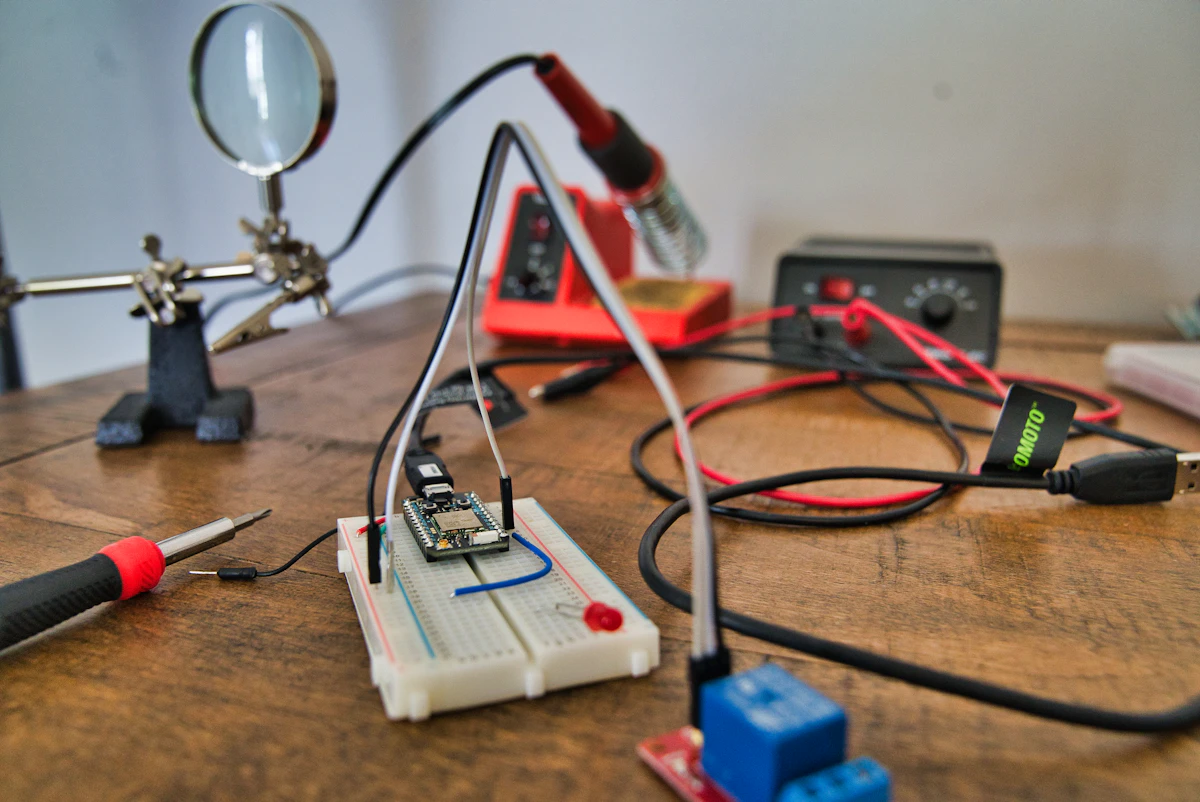
Flux is the unsung hero of soldering. Use the wrong type and you'll fight with cold joints, bridges, and lifelong damage to components. Use the right type and soldering becomes almost effortless.
This guide cuts through the marketing confusion to explain: which flux you actually need for different projects.
What Flux Actually Does
Flux performs three critical functions:
- Chemical cleaning — removes oxidation from metal surfaces during soldering
- Surface wetting — helps solder flow smoothly instead of beading up
- Oxygen barrier — prevents re-oxidation during the critical moments of the solder joint formation
Without flux, even perfect technique won't save you. With the right flux, even mediocre technique produces acceptable results.
The Three Main Types
1. Rosin Flux (RMA - Rosin Mildly Activated)
Best for: Most electronics work, especially vintage repairs and professional applications
Composition: Derived from pine sap. The classic flux found in old-school solder and paste.
Pros:
- Excellent wetting properties on oxidized surfaces
- Proven track record (60+ years in use)
- Works well at lower temperatures
- Generally safe for sensitive components
Cons:
- Must clean after soldering — residues are acidic and corrosive over time
- Requires isopropyl alcohol (90%+) or specific flux removers
- Sticky residues attract dust
- Some people allergic to rosin (rare)
When to use:
- Working on old equipment with oxidized pads
- High-reliability applications (aviation, medical)
- When you want maximum soldering performance and don't mind cleaning
- Learning to solder (best wetting for beginners)
2. No-Clean Flux (NC)
Best for: Modern PCB work, production environments, tight spaces you can't reach to clean
Composition: Synthetic organic acids designed to leave benign residues.
Pros:
- No cleaning required — residues are electrically safe and non-corrosive
- Saves time in production
- Works for most consumer electronics
- Modern formulations rival rosin for wetting performance
Cons:
- Residues can interfere with conformal coating
- May cause problems with sensitive analog circuits or RF
- Not ideal for high-temperature applications
- Can look messy under magnification
When to use:
- Modern PCB assembly
- Cases where you can't physically reach the joint to clean it
- High-volume production speed matters
- Consumer electronics that won't see harsh environments
- First choice for most hobbyists building new projects
- When you absolutely cannot clean (e.g., inside sealed enclosures)
3. Water-Soluble (Organic Acid) Flux (OA)
Best for: Difficult soldering jobs, stubborn metals, heavy oxidation
Composition: Aggressive organic acids (citric, lactic, etc.)
Pros:
- Best wetting of all three types on difficult surfaces
- Cuts through heavy oxidation
- Works on metals rosin struggles with (stainless, nickel, etc.)
- Truly cleans as it flows
Cons:
- Must clean promptly — more aggressive than rosin
- Residue is conductive (causes shorts if left)
- Can damage sensitive components if not cleaned
- Requires thorough water washing (with distilled, not tap water)
- Risk of thermal shock from water washing
- Can hydrolyze if left too long before cleaning
When to use:
- Heavy oxidation, old equipment restoration
- Difficult-to-solder metals
- Plumbing applications (it's basically plumber's flux)
- Not for electronics unless you can wash thoroughly
Quick Decision Chart
| Scenario | Use This | Clean? | |----------|----------|--------| | Most hobby projects | No-clean | Optional | | Vintage repair | Rosin | Yes | | Production work | No-clean | No | | Heavy oxidation/difficult metals | Water-soluble | Yes, immediately | | High-reliability/aerospace | Rosin | Yes | | Cannot physically access to clean | No-clean | N/A |
Flux Form Factors
Liquid Flux (Bottle with Dabber)
- Good for touch-ups
- Apply exactly where you need it
- Watch out for over-application
- Best for through-hole repairs
Flux Pen
- Best for precision work
- Controlled application
- Expensive but worth it for SMD
- Less waste than bottles
- Cleaner workspace
Solder Wire with Flux Core
- Most common
- "Flux ratio" matters (2-3% typical)
- Popular brands: Kester 44 (rosin), Kester 331 (water-soluble), Keder 275 (no-clean)
- Check specifications carefully
Solder Paste
- For SMD reflow
- Contains suspended solder particles
- Keep refrigerated
- Has shelf life
Pro Tips
Use fresh flux. Old flux oxidizes and becomes ineffective. If your bottle is >2 years old or has changed color, replace it.
More isn't better. Excess flux causes bridges and contamination. You want a thin layer, not a puddle.
Clean your tip. Flux residues on the iron tip transfer to joints. Wipe frequently.
Match to your solder. Using lead-free solder? Make sure your flux is compatible. Lead-free needs more aggressive flux (higher activation) than leaded.
Distilled water for washing. If cleaning water-soluble flux, distilled water prevents mineral deposits and corrosion.
No-clean can still benefit from cleaning. Even though it's "safe," a quick IPA wipe often improves appearance and removes sticky residues.
Temperature matters. Flux activates at different temperatures. Check specs to match your soldering temperature.
Myths Debunked
Myth: "No-clean means you should never clean it"
Reality: No-clean is safe if left, but cleaning usually gives better results. The name means electrochemically safe, not aesthetically pleasing.
Myth: "More flux = better soldering"
Reality: Excess flux causes problems. Thin, even coating. Too much flux actually prevents proper heat transfer.
Myth: "Flux is just for beginners"
Reality: Even NASA uses flux. It's always necessary for good solder joints.
Myth: "Water-soluble is easiest"
Reality: Requires immediate, thorough washing. Often hardest to manage properly.
Myth: "All flux is the same"
Reality: Formulations vary enormously. Quality matters.
Product Recommendations
For beginners:
- MG Chemicals 8341 No-Clean Flux Paste
- Kester 951 No-Clean Pen
For professionals:
- Kester 44 Rosin Core Solder (for repairs)
- AIM NC275 No-Clean (for production)
- Chip Quik SMD291 (for SMD work)
Avoid:
- Generic "soldering paste" from hardware stores (often acidic paste for plumbing)
- Anything not specifically labeled for electronics
Bottom Line
For most people reading this: Start with no-clean flux for new projects, rosin for repairs on old equipment, and avoid water-soluble unless you know exactly what you're doing.
Good flux is cheap. Don't be that person fighting with terrible joints because you wouldn't buy a $5 bottle. It makes more difference than your iron, your solder, or your technique.
Last updated: February 2026